For the woman wondering “How did this happen again?”
You understand your pattern, but you can’t seem to stop repeating it.
Somatic therapy bridges the gap between knowing your pattern or trigger, and actually being able to respond differently when it shows up.
(Without needing cheesy affirmations or more willpower).
You’ve read the self-help books.
Listened to the podcasts.
Binge-watched the therapy reels.
You probably know about triggers, childhood wounds, generational trauma or emotional regulation.
Maybe you’ve even tried coaching or talk therapy.
You understand yourself pretty damn well.
So why are you still finding yourself here again?
Because when you're triggered, you're not sitting there calmly remembering everything you've learned from books, podcasts and therapy reels.
Your familiar response kicks in before you've had a chance to consciously choose what you want to do differently.
This is where working with the body comes in...

How do we work with the body?
When we slow down and make space for what's happening in the body, emotions, sensations, impulses and sometimes memories can begin to surface.
Instead of immediately pushing them away, analysing them or reacting from them, we can get curious about what's there and give those experiences space to be felt, understood and processed.
Your emotions aren’t problems, they’re information.
Anger might tell us a boundary has been crossed. Fear can alert us to threat or vulnerability. Sadness can show us what we've lost or what matters deeply to us.
When we learn to stay with our emotions rather than immediately suppressing, escaping or reacting from them, we can begin to understand what they're communicating and what might be underneath the patterns we keep repeating.

A Practical, Compassionate & Trauma-Informed Approach
How Somatic Therapy Helps
(in real life)
✔
FEEL WITHOUT BEING OVERWHELMED
We slow things down and build your capacity to stay with difficult emotions, sensations and memories without immediately suppressing, escaping, analysing or reacting from them.
✔
NOTICE IT SOONER
Over time, you become better at recognising your patterns and triggers as they’re happening — rather than only afterwards when you’re wondering how you ended up here again.
✔
UNDERSTAND WHAT’S UNDERNEATH
As you make space for what you’re feeling, you can begin to understand what your emotions and reactions are communicating, what they might be connected to, and what you need.
✔
RESPOND DIFFERENTLY
And when you can notice what’s happening while it’s happening, there’s more space to choose how you want to respond instead of automatically falling into the same old pattern.
Client Experiences

Frequently Asked Questions
-
You don’t need to come with a clear story or agenda. Often, we begin with what feels present in the moment — even if that’s “I don’t know.” From there, we gently explore together. There’s no pressure to say the right thing.
-
No. You won’t be pushed to relive anything you’re not ready for. We work at a pace that feels safe and supportive. Sometimes healing happens through building capacity in the present, rather than revisiting the past.
-
This is something we actively work with — not around. Those responses aren’t failures, they’re intelligent nervous system patterns. We gently move in and out of feeling, building your capacity at a pace that feels safe. If things feel like too much, we slow down, ground, and support your nervous system back into balance. Nothing needs to be pushed through. We work with feelings gently.
-
Sessions are currently offered online, to increase flexibility and accessibility for this work. You’ll be guided to set yourself up in a way that feels supportive, comfortable and private.
-
Sessions may include gentle conversation, noticing sensations in the body, pauses for breath or grounding, or tracking emotional responses as they arise. Some sessions are quiet and settling; others may bring insight or emotion. There’s no “right” way for a session to unfold. We always begin with a brief check in, grounding meditation and end with a moment of pause to transition out of the session and back into the day.
-
While conversation is part of the process, somatic therapy also includes awareness of the body and nervous system. Instead of only analysing patterns, we work with how they live and move within you.
-
There’s no fixed timeline. When we begin working together, we start with 3 sessions. This is sometimes to shift a block, for deeper patterns people may choose to commit to a longer process. We can check in together and adjust as we go, based on what feels most supportive for you.
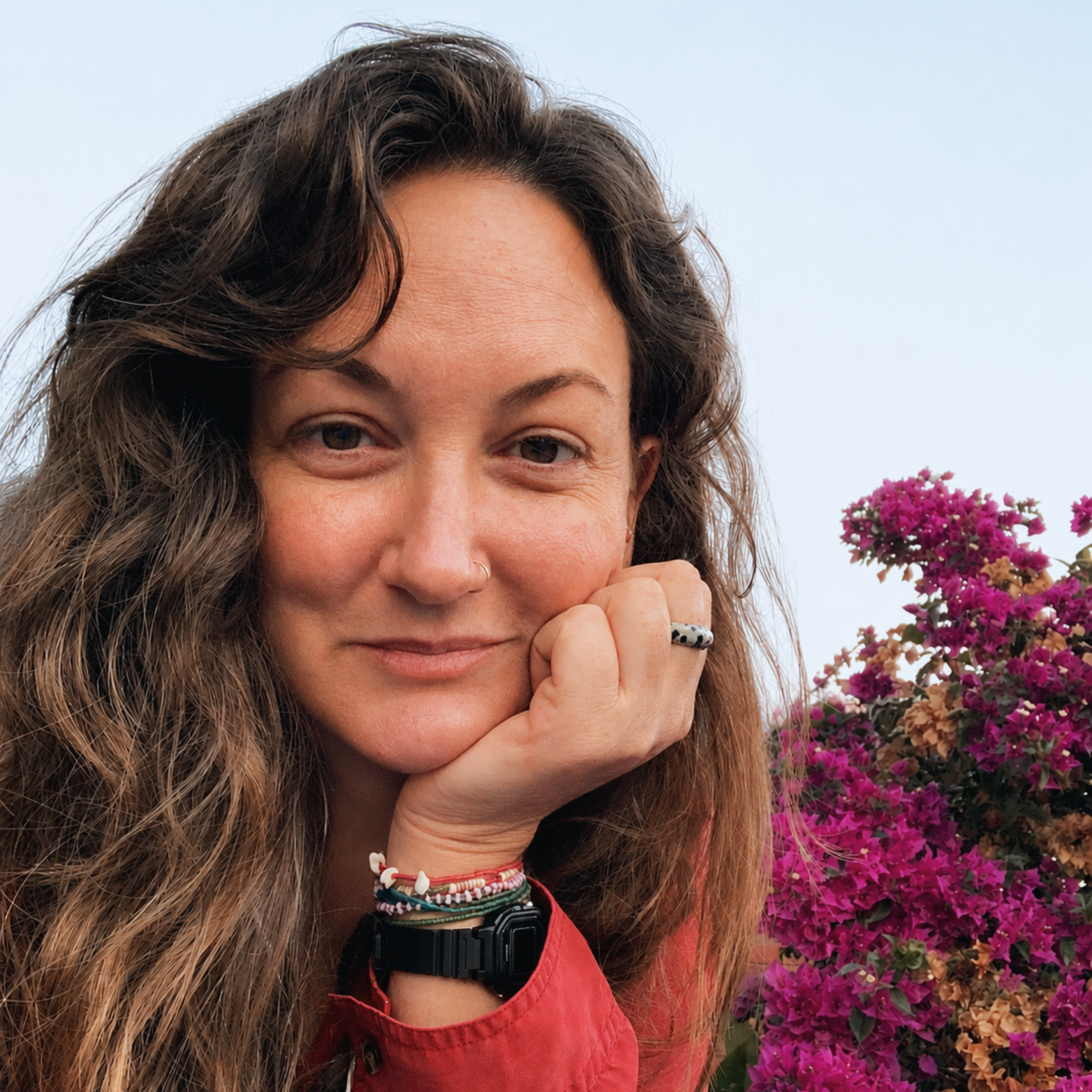
Hi, I’m Chelsea
I’m a trauma-informed somatic therapist, and I believe that the more deeply we understand ourselves, our emotions, patterns, needs and inner experience, the more choice we have in how we live, relate and respond to the world around us.
My approach is warm, curious and practical. I’m not here to diagnose you, tell you who you are, or give you another list of things you should be doing.
I’m more interested in helping you explore what’s happening underneath the patterns you keep finding yourself in, and develop the capacity to feel, process and respond to your experience differently.
My work is shaped by a mix of formal training and lived experience. I’m a certified Embodied Processing Practitioner, a somatic therapy modality informed by Somatic Experiencing, Compassionate Inquiry and parts work. I’ve also studied counselling and qualified as an NLP practitioner, alongside more than 20 years of my own exploration of psychology, the arts and what it means to be human.
My artistic nature enables me to bring curiosity, creativity and an ability to view things from multiple perspectives, to all my sessions.